NASA’s Roman space telescope supported by PI technologies
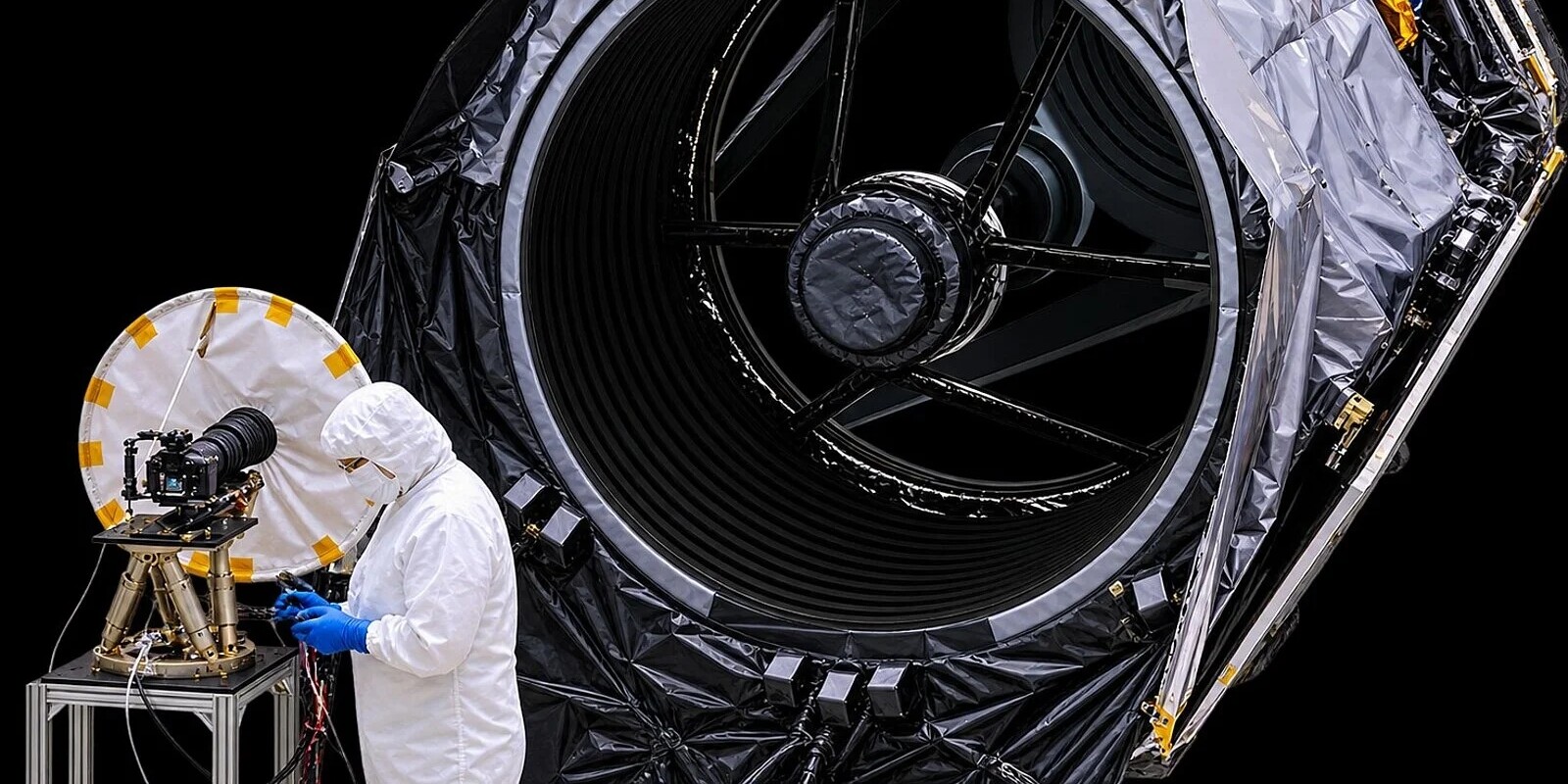
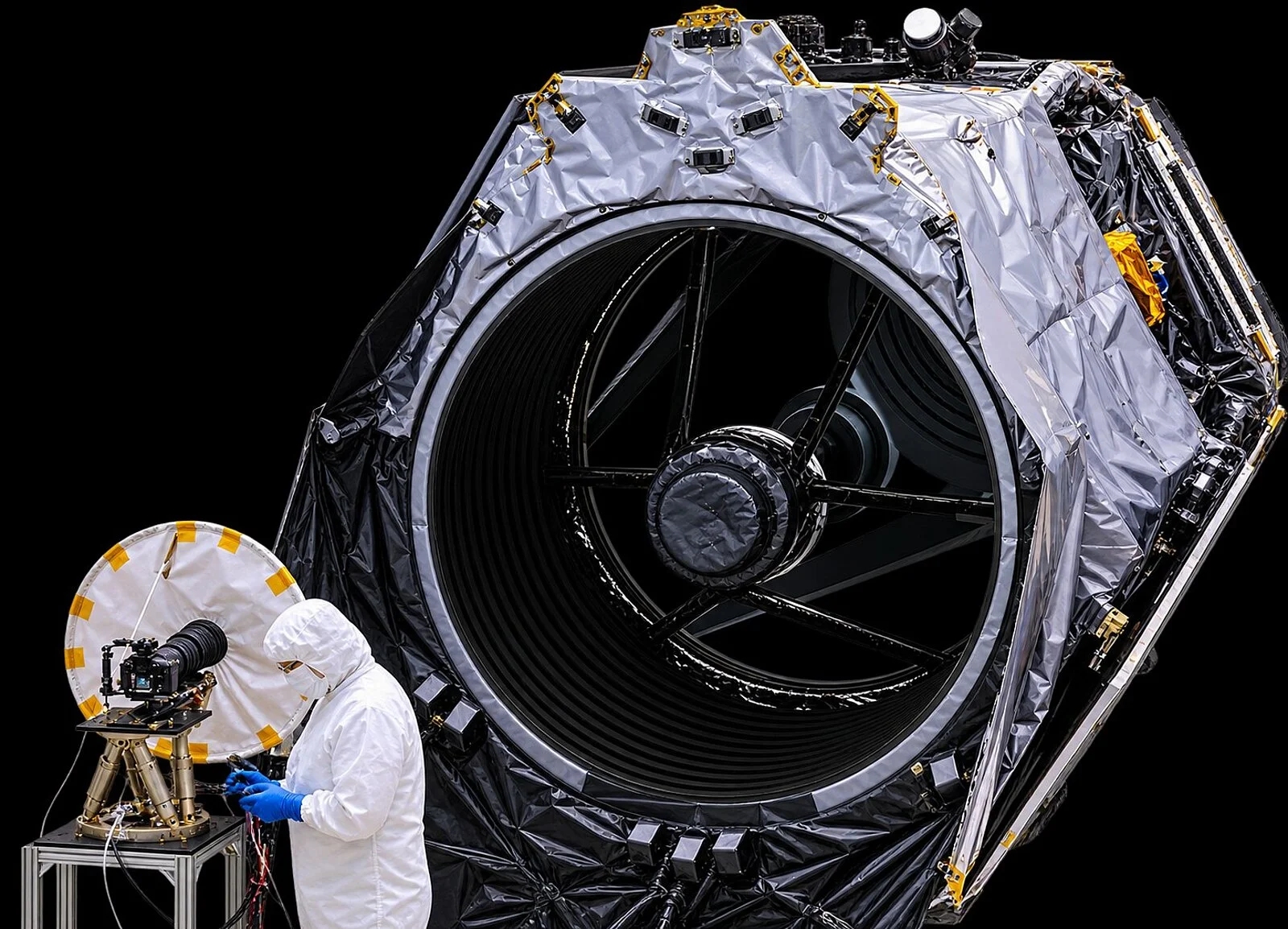
The successful launch of NASA's Nancy Grace Roman Space Telescope marks the culmination of years of engineering, integration, testing, and validation across a wide range of advanced technologies. Among them are precision motion and piezoelectric systems supplied by PI (Physik Instrumente), which supported multiple phases of the program, from early instrument development and optical alignment to flight hardware now operating in space.
Roman launched aboard a SpaceX Falcon Heavy on August 30, 2026. The observatory combines a 2.4-meter primary mirror with a field of view roughly 100 times larger than Hubble's, enabling wide-area surveys to investigate dark energy, dark matter, exoplanets, and the large-scale structure of the universe. First science observations are expected in early 2027.
PI's involvement dates back to Roman's early development under the Wide Field Infrared Survey Telescope (WFIRST) program. Over more than a decade, PI technologies have been used in cryogenic testbeds, optical integration processes, automated motion systems, and ultimately within flight-qualified subsystems now aboard the telescope itself:
- Cryogenic positioning stages supported instrument development and testing.
- Six-axis hexapods enabled precise alignment of optical components for Roman’s Wide Field Instrument.
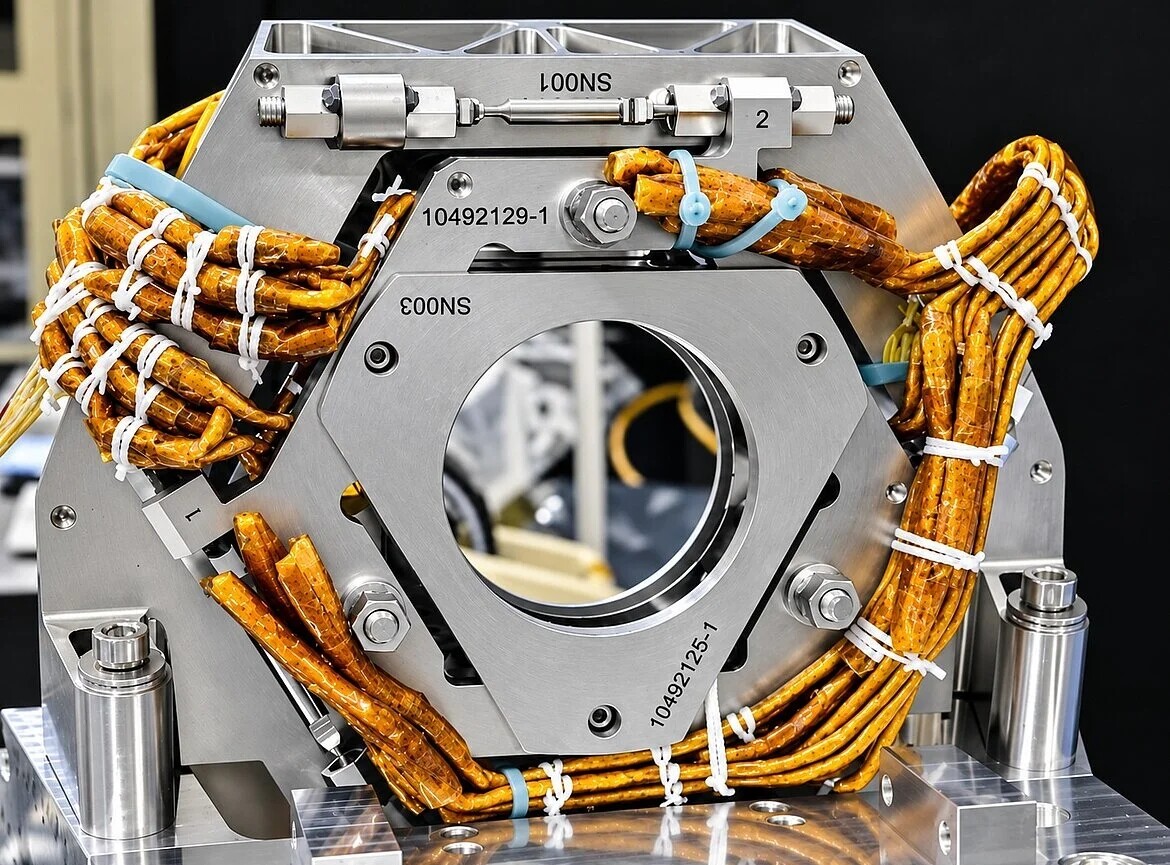
- PICMA piezo actuators drive the Fast-Steering Mirror in the telescope’s Coronagraph Instrument.
For PI, Roman represents more than a single application of motion control technology. It demonstrates how precision positioning solutions, including cryogenic stages, hexapods, automated motion systems, fast steering mechanisms, and piezoelectric actuators, can address the diverse alignment and stability challenges encountered throughout the development of a next-generation space observatory.